I am currently not available but feel free to get in touch ! contact me
Communicating design to stakeholders
As products become increasingly design-driven, the challenge of collaborating with non-design stakeholders has become more crucial than ever. This case study explores effective strategies I applied for managing stakeholder relationships while maintaining design integrity and business value.
The Challenge
Despite design's evolution from a purely aesthetic tool to a core business driver, many stakeholders lack the experience to fully participate in or evaluate the design process. This creates a unique challenge:
- Stakeholders recognize design's value but struggle to contribute effectively
- Critical business insights are held by non-design professionals
- Design decisions need to balance creative freedom with business requirements
- Communication gaps can lead to misalignment and project delays
There is only one strategic approach : Communication
Communicating conceptual ideas, detailed designs, and design rationale both verbally and visually to exec team helps demystifying the design process. For a couple of projects, I created a lab (being in Figma or in a dedicated page) in order to shares ideas, always focusing on the value these new features would bring.
When selling ux improvements to product stakeholders communication is key. to do so I created a dedicated page for improvements always focusing on the rationalization and the value these new features would bring. See the idea lab
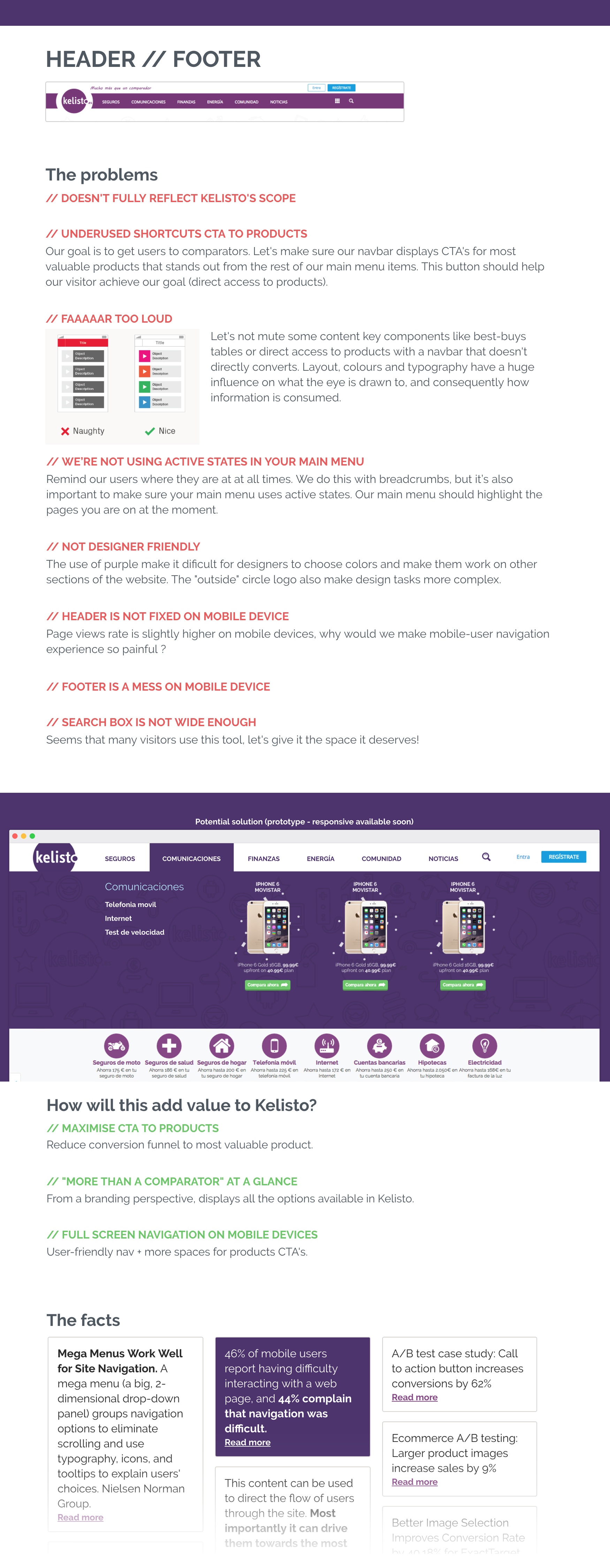
Structure was the same for every single improvement : as-is; to-be and improvement rationalization
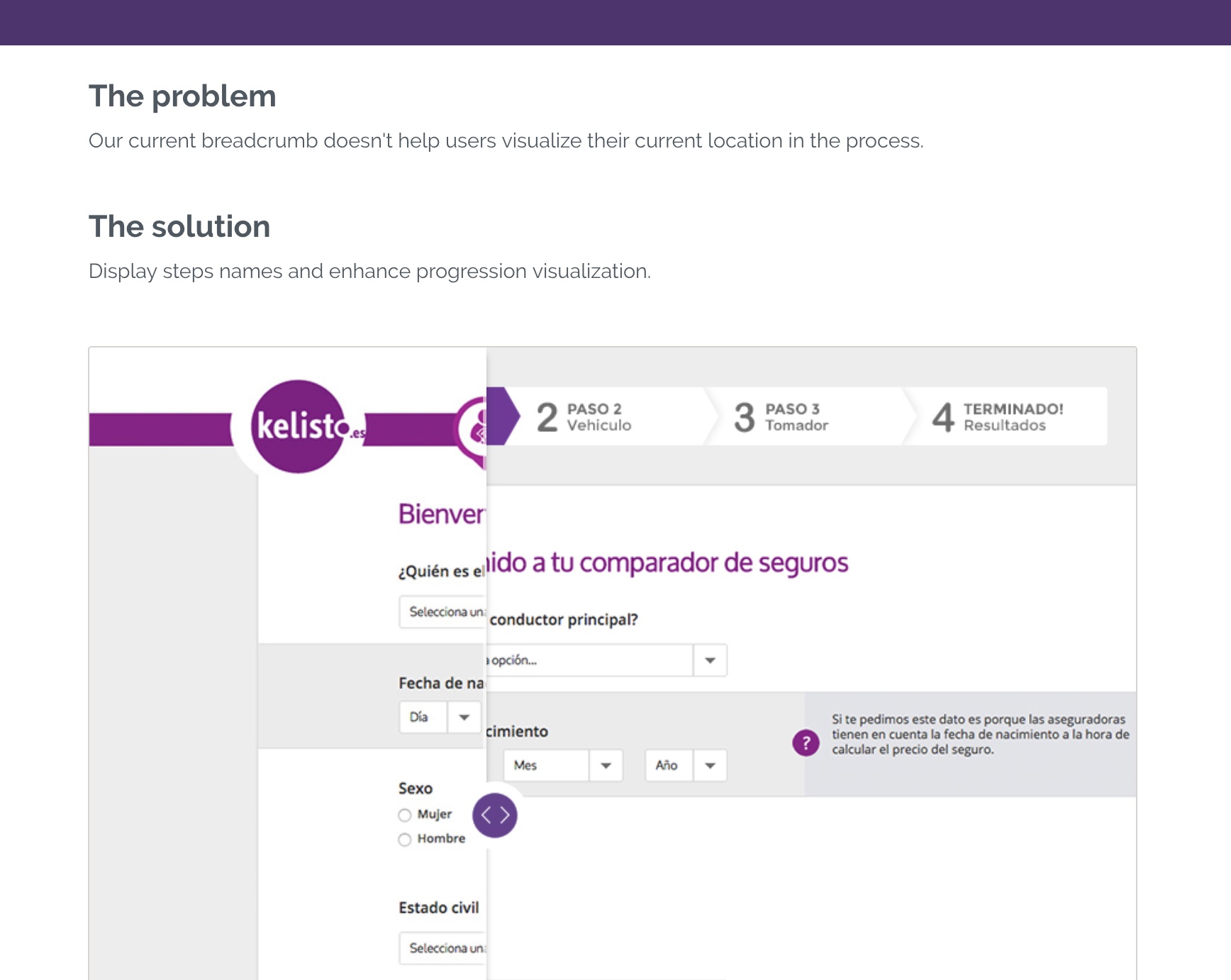
It is easier for stakeholders to take decision in context. I sometimes prepared interactive images mixing current page and prototype. before (as-is) / after (to-be : prototype)
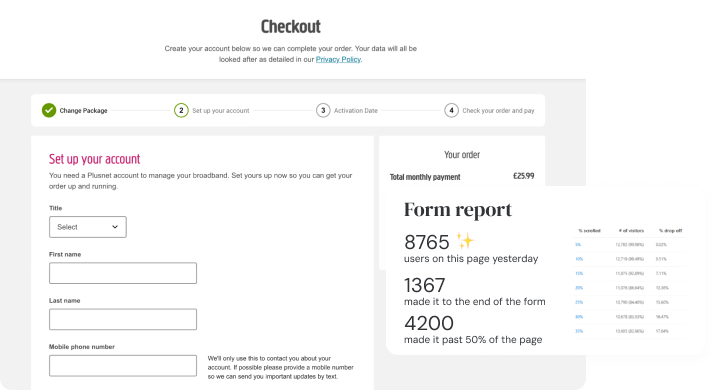
For some project, it was easier to create a prototype branch directly in the existing code and share a video or live demo of the design improvement. This way we design within context and if the change gets validated, time-to-market is reduced as most of the front-end work is achieved. In terms of async collaboration I would replicate screens in Figma and leave stakeholders comment directly in Figma.
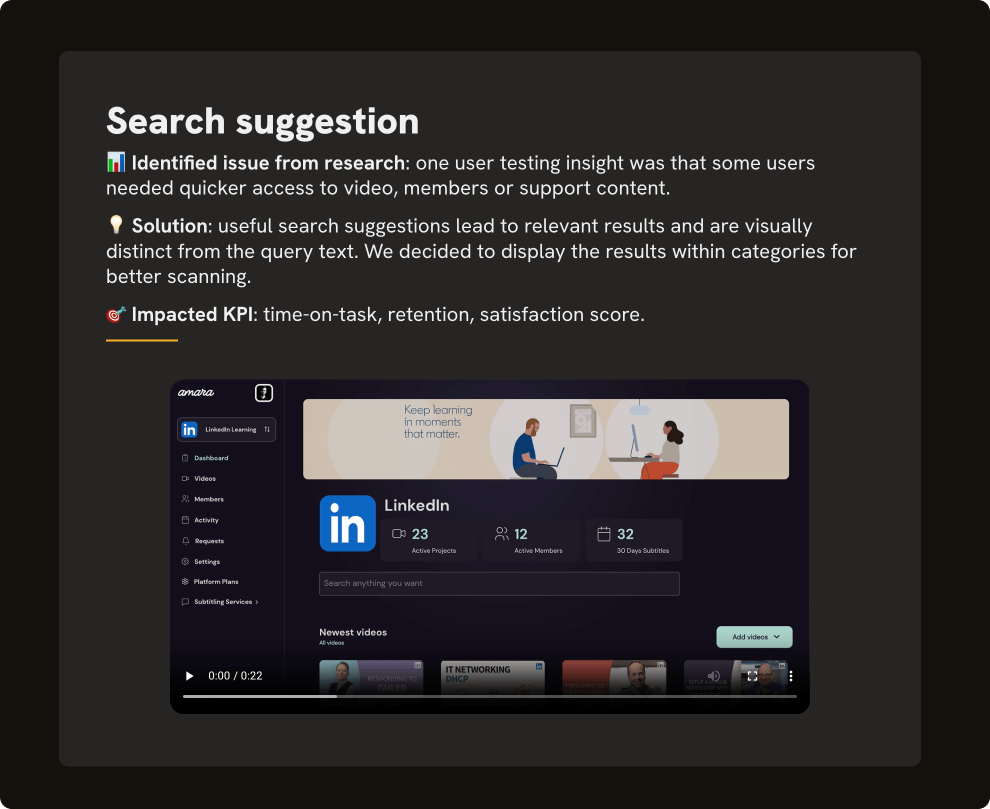
A prototype branch was created directly in the existing code and shared via video or screen sequence in Figma for easy collaboration.
Bring the data
Following-up and iterate the design solutions you offer will also create trust with stackholders, showing that you also aim to generate more revenue, not just paint a shinny product. In this particular situation, being a UX designer with code skills made the process not easier but faster. The very first step of dealing with business stakeholders is to bring the data. Not only conversion but also converting UX to tangible metrics as much as I could.
Since you are here
My goal is to help you create great and profitable products.
If you drop me a line about your work and the challenges you face I will reply with some suggestions (I always do).
You can also directly schedule a call.
Thank you for your interest.
I work from France and Spain. GMT Time zone UTC +0, London time.

