From tomozina
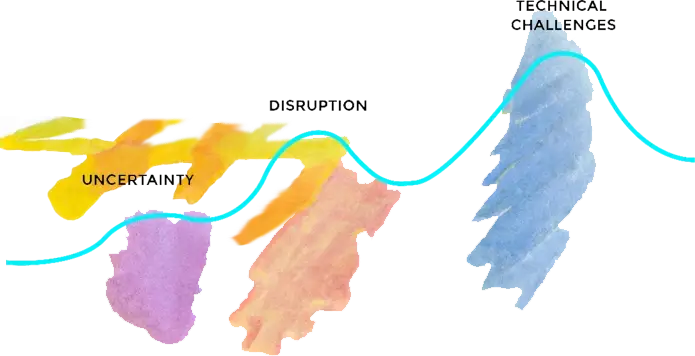
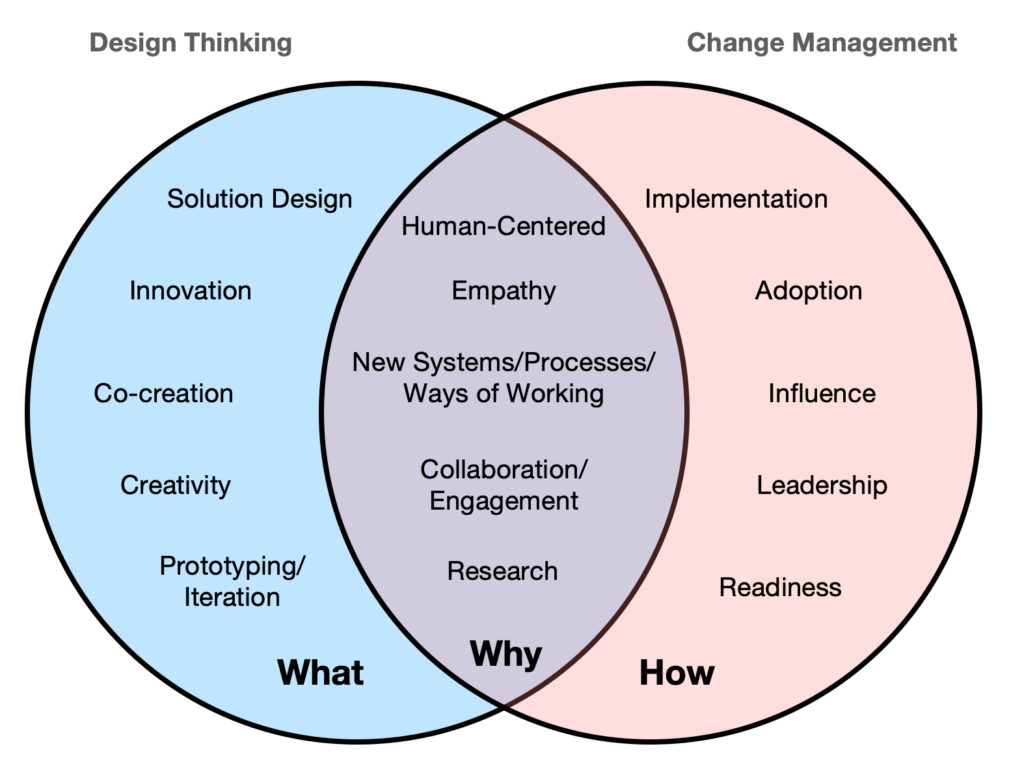
Beyond creating intuitive interfaces and smooth user experiences, we're increasingly responsible for guiding organizations through significant transformations. This evolution has revealed a compelling truth: the principles of change management are deeply intertwined with effective product design.
From tomozina
Both product design and change management disciplines share fundamental principles that make them naturally complementary. They are fundamentally about understanding human behavior and facilitating positive change, whether that's in how people interact with a product or how organizations adapt to new ways of working.
When we conduct user research to understand pain points and aspirations, we're employing the same skills change managers use to assess stakeholder needs and concerns. Both disciplines recognize that success depends on deep understanding of human factors and clear communication.
From tomozina
Understanding change management transforms how we approach the design process itself. Rather than viewing resistance to new designs as an obstacle, we can see it as valuable feedback about organizational dynamics and user needs. This perspective helps us create solutions that not only look good and work well but also integrate smoothly into existing workflows and organizational cultures.
The iterative nature of design work naturally aligns with change management principles. Just as we prototype and test designs, change managers pilot new processes and gather feedback. Both approaches recognize that perfect solutions rarely emerge fully formed – they evolve through careful observation, adjustment, and refinement.
One of the most valuable skills change management brings to design is stakeholder management. Understanding organizational dynamics helps designers navigate complex requirements and competing priorities more effectively. It enables us to build consensus across different groups and communicate more persuasively at all organizational levels.
This skill becomes particularly crucial when implementing significant design changes. By understanding change management principles, we can better anticipate resistance, address concerns proactively, and create more effective implementation strategies. We learn to recognize that resistance often stems from valid concerns rather than simple opposition to change.
Change management principles enhance our ability to assess and manage the impact of design changes. Beyond considering immediate user experience, we learn to evaluate broader organizational readiness and potential ripple effects. This broader perspective helps us create more comprehensive solutions that address both immediate user needs and longer-term organizational goals.
Mastering both design and change management opens new career possibilities. As organizations increasingly recognize the strategic importance of design, they seek leaders who can drive meaningful transformation through user-centered approaches. Designers who understand change management are well-positioned to step into these leadership roles.
These combined skills enable designers to influence organizational strategy more effectively. We become better equipped to lead complex initiatives, build stronger relationships across departments, and drive meaningful transformation. Our perspective becomes more strategic, focusing not just on creating great products but on ensuring their successful adoption and impact.
Trust becomes a central focus when we view design through a change management lens. We learn to build trust through transparent communication, consistent engagement, and reliable delivery. Most importantly, we demonstrate deep understanding of both user needs and organizational constraints.
Resistance takes on new meaning in this context. Rather than seeing it as an obstacle to overcome, we recognize it as valuable feedback that can improve our solutions. This perspective helps us identify root causes of resistance, address concerns proactively, and often transform skeptics into advocates! Well, not always...
My goal is to help you create great and profitable products.
If you drop me a line about your work and the challenges you face I will reply with some suggestions (I always do).
You can also directly schedule a call.
Thank you for your interest.
I work from France and Spain. GMT Time zone UTC +0, London time.

